
Dynamic Neuromuscular Stabilization
Clinical Course A
This course runs from
October 30- Novemeber 1, 2026
We will meet in-person at:
Water and Sports Physical Therapy
3535 General Atomics Ct
San Diego, CA 92121
Dynamic Neuromuscular Stabilization (DNS) is a rehabilitation approach rooted in developmental kinesiology, focusing on the neurophysiological aspects of motor development during early childhood. This method emphasizes the significance of innate movement patterns observed in infants, which serve as the foundation for optimal posture and functional joint stability in adults.
Join us for an introduction to the concepts and principles of Dynamic Neuromuscular Stabilization in the clinical setting. We will introduce and workshop specific assessments, treatment methods, and active exercise strategies to enhance your skill sets and clinical outcomes.
Course Time:
Friday 1 pm- 6:30 pm
Saturday 8:30 am- 4 pm
Sunday 8:30 am- 4 pm
Course Fee’s:
Early Bird October 1, 2026- $795
Regular – $895

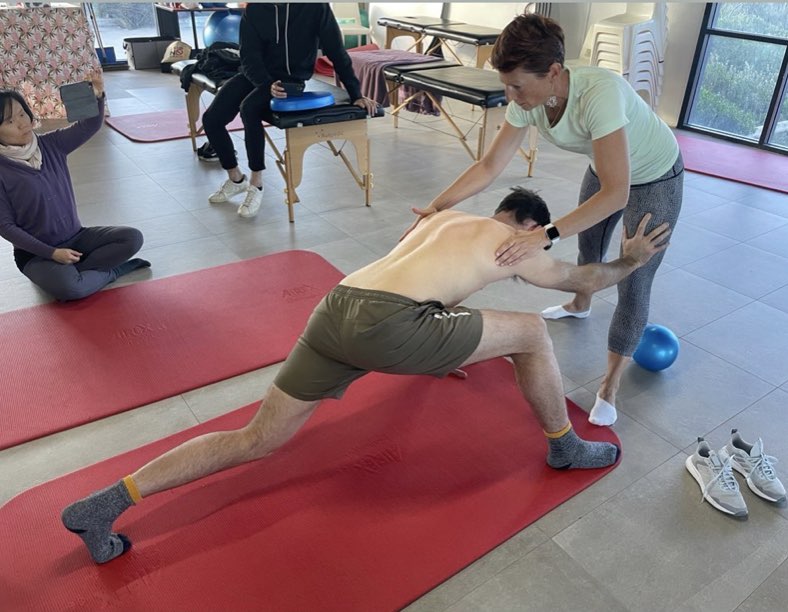
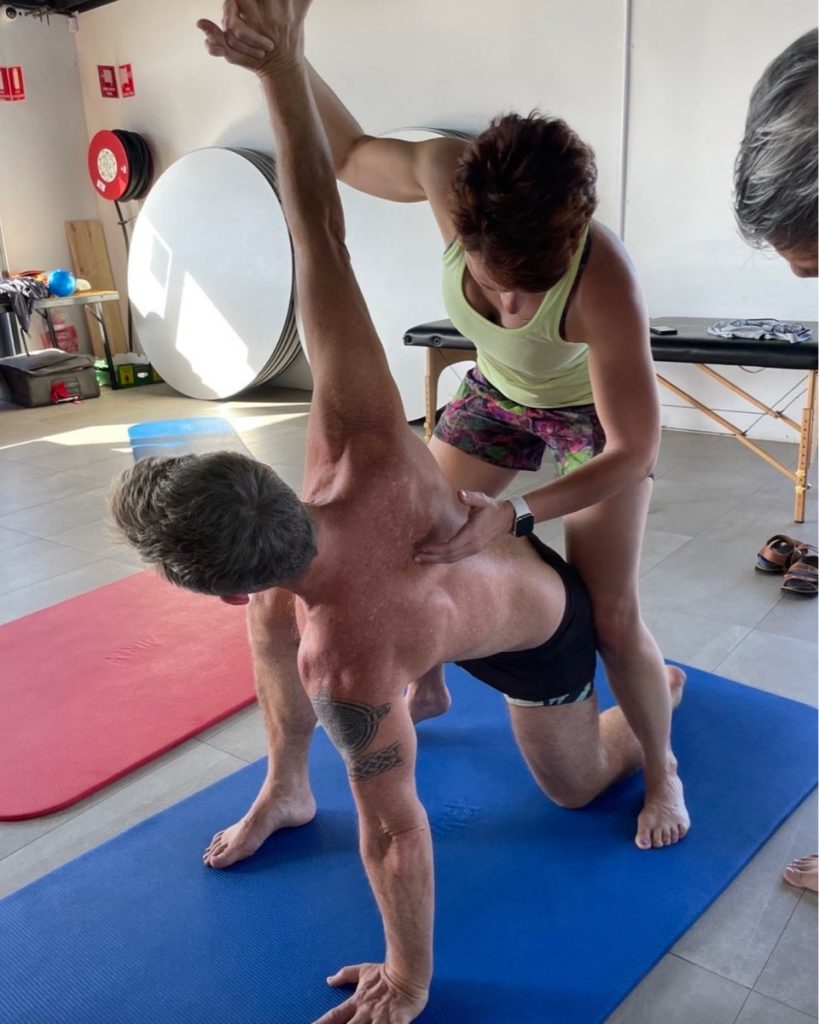
What is Dynamic Neuromuscular Stabilization (DNS)?
The nervous system establishes programs that control human posture, movement and gait. This ‘motor control’ is largely established during the first critical years of life. Therefore, the “Prague School” emphasizes neurodevelopmental aspects of motor control in order to assess and restore dysfunction of the locomotor system and associated syndromes.
- The “Prague School” of Rehabilitation and Manual Medicine was established by key neurologists/physiatrists, all of whom were giants in the 20th Century rehabilitation movement: Professors’ Vaclav Vojta, Karel Lewit, Vladimir Janda, and Frantisek Vele.
- Based upon the groundbreaking neurodevelopmental and rehabilitation principles described by these mentors, Pavel Kolar has organized the next generation of clinical protocols that are designed to restore and stabilize locomotor function. This new rehabilitation approach is called Dynamic Neuromuscular Stabilization (DNS).
Course Objectives
- Improve understanding of the basic principles of developmental kinesiology, emphasizing development during the first year of life.
- Identify and describe critical milestones in human development.
- Introduce the three levels of sensorimotor control in functional assessment and treatment.
- Demonstrate the relationship between development during the first year of life and pathology of the locomotor system in adulthood.
- Introduce new terminologies pertinent to rehabilitation, such as functional joint centration, punctum fixum, punctum mobile and the integrated stabilizing system of the spine.
- Define ideal postural stabilization from a developmental perspective: intra-abdominal pressure regulation, the dual role of the diaphragm in stabilization and respiration, and stabilization via co-contraction.
- Identify common stereotypes of faulty postural stabilization (“open scissors syndrome,” forward drawn posture, backward drawn posture, “hourglass syndrome”).
- Explain and demonstrate biomechanics of undifferentiated, ipsilateral and contralateral postural-locomotion patterns; closed and opened kinematic chains, stepping forward and supporting function.
- Evaluate and correct poor respiratory patterns.
- Demonstrate the correlation between poor respiration patterns and functional pathology of the locomotor system.
- Assess the integrated stabilizing system of the spine visually and by utilizing dynamic functional tests.
- Integrate corrective exercises based on the DNS functional tests and developmental positions: exercise in undifferentiated static positions; position transfer during locomotor function; exercise progression using unstable surfaces; increased difficulty of the exercises utilizing resistance, dual tasking and other challenges.
- Clarify how DNS corrective exercises can integrate with other exercise strategies.
- Cover the basics of the application of the DNS concept in sports training.
- Provide essential clinical management explanations for clinicians to better integrate the DNS approach in their regular practice, including patient education.
- Optimally prepare students for the next level of training (Course “B”).
Julia Demekova, MPT

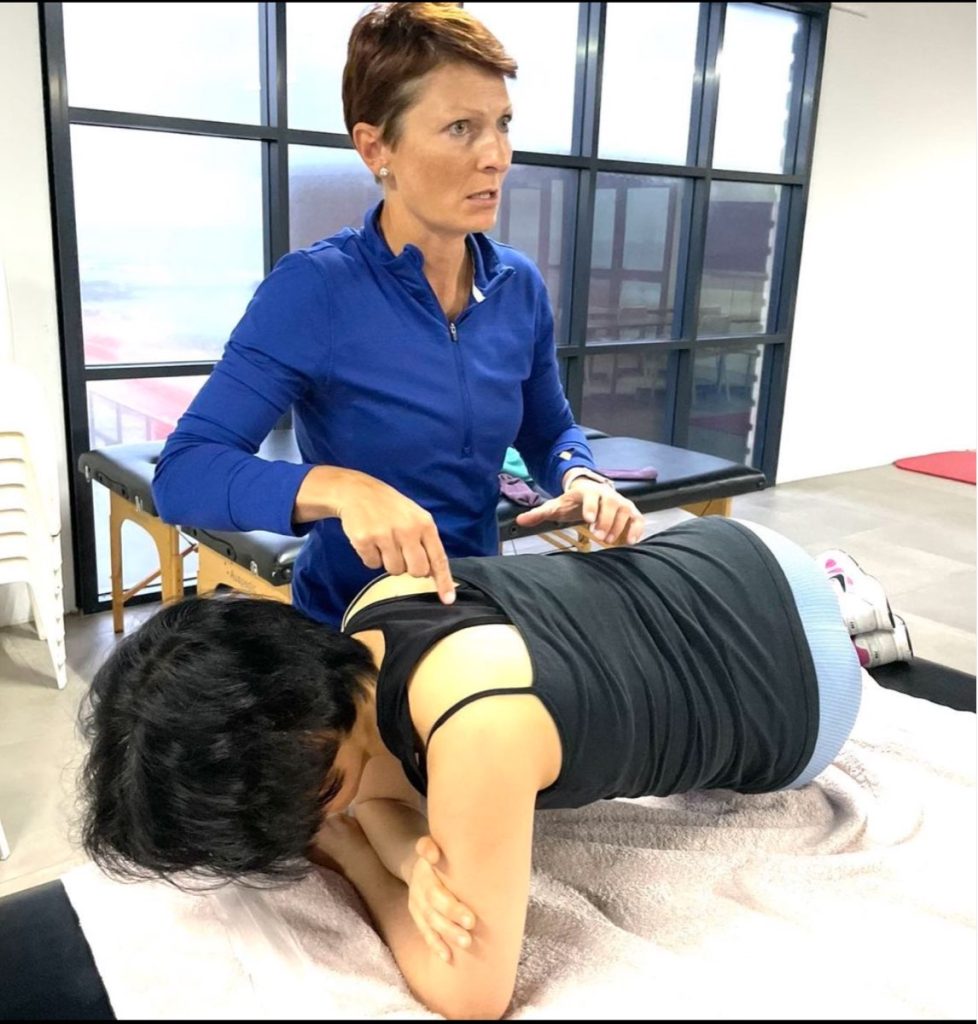
Julia Demekova, MPT is a 2007 graduate of Palacky University in Olomouc in the Czech Republic. She has been practicing MPT in Lipova Spa for the past two years. During this period, she has co-taught courses on manual medicine – mobilizations and soft tissue techniques – in accordance with the techniques of Professor Karel Lewit.
Since 2009, Julia has practiced at the Clinic of Rehabilitation and Physical Medicine in the Faculty Hospital in Motol in Prague, under the supervision of Professor Pavel Kolar. From the commencement of her work at Motol, she assisted in instructing courses on Dynamic Neuromuscular Stabilization, in accordance with the methods of Professor Kolar. Two years later (in 2011), Julia become a certified instructor in DNS: the first and only instructor from Slovakia. In addition to this, during this time she studied the methods of Professor Karel Lewit.
Julia has wide experience with the treatment of neurological, musculoskeletal and orthopedic patients: she worked in a spinal cord injury unit since 2009 until 2015. She still treats both adults and children with a variety of diagnoses. Julia combines in her daily work her knowledge from a wide variety of different courses she has taken: Diagnostics and the Treatment of Functional Disturbances in the Musculoskeletal System (2007); S-E-T concept (2009); Sensory Stimulation (2010); Medical Taping Concept (2010); Quadrupedal Locomotion in the Prevention and the Treatment of Functional Disturbances of the Axial System (2011), Developmental Kinesiology in the Diagnosis and Treatment of Infants (2014) and Fascial Manipulations According to Stecco (2018).
As an educational assistant at the Second Medical Faculty, Charles University (located at the Faculty Hospital, Motol), Julia Demekova instructs students of rehabilitation. She also teaches students in Charles’ medical program.
Julia likes to practice sports medicine and has extensive experience with the assessment and treatment of the sports injuries of golfing professionals, runners, gymnasts and mountaineers. In her free time, she instructs a group on the conditional exercises for Jiu-jitsu. She has qualifications in TacFIT (Tactical Fitness – 2011); Julia is both a TRX and BOSU certified trainer (2012).
Julia has been an instructor in the DNS concept since 2011, and has taught clinical, sports medicine and pediatric courses in a variety of countries in North and South America (Chile, Brazil, Uruguay, Canada, Arizona, Ohio, New Jersey,…), Europe ( Spain, Portugal, Italy, Norway, Sweden, UK, Germany, Poland, Slovakia, Slovenia, Croatia) UAE, Turkey and Asia ( China, Taiwan, Malaysia, Hong Kong, Singapore,…).
Julia is originally from Slovakia and currently resides in Prague in the Czech Republic. In her spare time, she likes playing golf, cycling and practicing yoga. She loves traveling, meeting new people and trying local cuisines all over the world.

Dr. Michael Rintala is one of the Prague School of Rehabilitation Primary Instructors teaching Dynamic Neuromuscular Stabilization (DNS) in the United States. He is also a DNS Certified Exercise Trainer (DNSET).
If a course is cancelled for any reason, the organization shall not be held liable for any travel, accommodation. or related expenses incurred by participants. All such costs are the sole responsibility of the participant.